Restore Your Home After Flooding Strikes
Flood Damage Restoration in Greater Grand Rapids for homes with water intrusion from storms, basement flooding, or foundation failures allowing heavy water entry
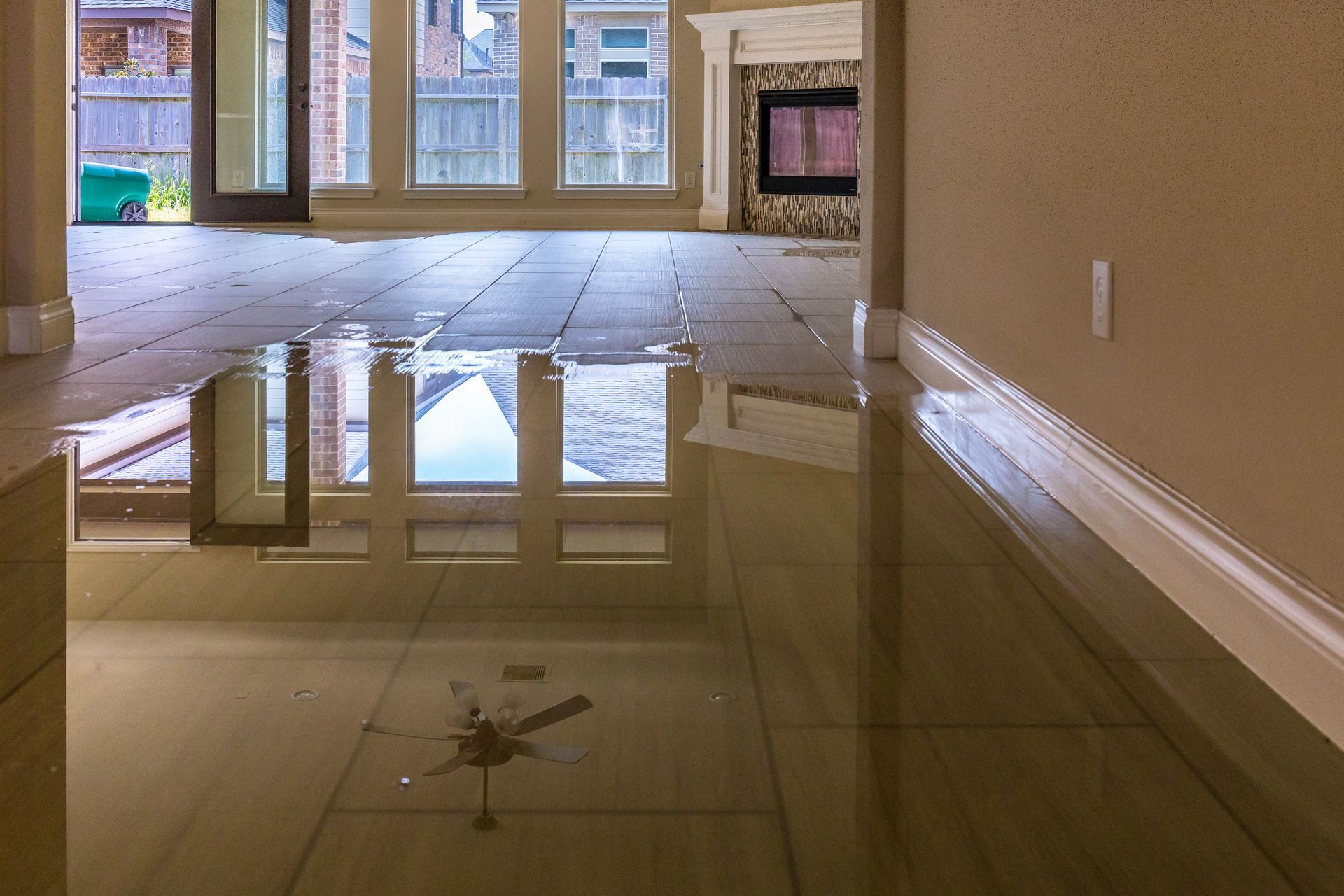
Bergsma Water Restoration, LLC provides flood damage restoration in West Michigan when homeowners face water intrusion from heavy storms, sump pump failures, or foundation cracks that allow groundwater to flood basements and crawl spaces. You need flood restoration because standing water damages flooring, drywall, and framing while creating conditions for mold growth, and the longer water remains, the more materials require removal rather than drying. This service includes water removal, structural drying, debris cleanup, and coordination with insurance when applicable.
Flood damage restoration begins with extracting standing water using truck-mounted pumps and portable extractors, removing saturated materials such as carpet, padding, and insulation that cannot be saved, and placing industrial dehumidifiers and air movers to dry framing, subflooring, and wall cavities. The process also includes cleaning mud and debris from floors and walls, treating surfaces with antimicrobial solutions to prevent bacterial growth, and monitoring moisture levels until materials return to safe thresholds. Homes in greater Grand Rapids and surrounding communities with finished basements or properties near low-lying areas face higher flood risk during spring rains or rapid snowmelt, especially if drainage systems fail or gutters overflow.
If your home has flooded, contact Bergsma Water Restoration, LLC immediately to begin water removal and drying before structural damage spreads.
What Flood Restoration Involves and What Changes You See
When flood restoration starts, a technician pumps out standing water, removes wet materials that will not dry properly, and sets up drying equipment to target floors, walls, and hidden cavities where water soaked through. You see mud and debris cleaned from hard surfaces, air movers positioned to circulate air across damp areas, and dehumidifiers running continuously to lower humidity and pull moisture from structural materials. Moisture meters track progress in wood framing and concrete to ensure drying is complete before equipment is removed.
After restoration, you notice floors are no longer soft or spongy, walls feel dry, and the heavy, damp smell fades as air circulation improves and humidity drops. Bergsma Water Restoration, LLC coordinates with your insurance adjuster if flood damage is covered, providing documentation of the work completed and moisture readings before and after drying. Personal items such as furniture, electronics, and photographs are evaluated individually, with non-porous items cleaned and dried while porous items often discarded if contamination or saturation is extensive.
This service does not include rebuilding walls, replacing flooring, or repairing the drainage or foundation issues that allowed flooding to occur. Those repairs follow once drying is complete and the structure is confirmed stable. If floodwater entered from a sewer backup or contained contaminants, additional disinfection and material removal are required beyond standard drying procedures.
Common Questions About Flood Damage
Homeowners often ask how quickly flooding must be addressed, what materials can be saved, and how insurance handles flood-related claims.
- How long does flood damage restoration take? Restoration typically takes five to ten days depending on the volume of water, extent of saturation, and whether materials must be removed or can be dried in place.
- What happens to drywall after flooding? Drywall that absorbed floodwater more than two feet above the floor usually requires removal because it weakens, crumbles, and holds moisture that leads to mold growth even after drying equipment runs.
- When should I call for flood damage restoration? You should call as soon as floodwater recedes and it is safe to enter the home, because delays increase the likelihood of structural damage, mold growth, and material loss.
- Why can't I just dry the basement with fans? Household fans lack the power to dry structural materials such as subflooring and framing, and they do not reduce humidity levels the way commercial dehumidifiers do in enclosed spaces.
- What happens if my sump pump fails during a storm? Sump pump failure during heavy rain allows groundwater to rise and flood basements quickly, requiring immediate extraction and drying to prevent damage to finished spaces and mechanical systems.
If flooding has affected your home, call Bergsma Water Restoration, LLC to start water removal and structural drying before long-term damage worsens or mold begins to grow.