Eliminate Mold Growth Before It Spreads Further
Mold Removal and Remediation in West Michigan for homes with visible mold on walls, musty basement odors, or water damage left untreated
Bergsma Water Restoration, LLC provides mold removal and remediation when homeowners notice black or green patches on drywall, smell persistent mustiness in basements or bathrooms, or discover mold behind furniture after a leak went unnoticed for weeks. You need mold removed because it releases spores into the air that irritate lungs, trigger allergies, and spread to other damp areas in the home if left untreated. This service includes inspection, containment, removal, and cleaning to restore safe indoor air quality.
Mold remediation begins with identifying moisture sources such as leaking pipes, foundation cracks, or condensation buildup, then isolating the affected area with plastic sheeting and negative air pressure to prevent spores from traveling during removal. Technicians remove mold-covered materials such as drywall, insulation, and ceiling tiles, then treat remaining surfaces with antifungal solutions and run air scrubbers with HEPA filters to capture airborne spores. Homes in West Michigan with crawl spaces or basements that experience seasonal humidity or occasional flooding face higher mold risk, especially in areas with limited ventilation or insulation gaps that trap moisture.
If you see mold growth or smell mustiness in your home, contact Bergsma Water Restoration, LLC to schedule an inspection and begin remediation before spores spread further.
What Mold Remediation Involves and What You Notice After
When mold remediation starts, a technician inspects visible growth and uses moisture meters to find hidden mold inside walls, under flooring, or in ceiling cavities where leaks may have gone unnoticed. You see containment barriers erected around the work area, air scrubbers running continuously, and moldy materials removed and bagged before being carried out of the home. HEPA vacuums clean surfaces that cannot be removed, and antimicrobial treatments are applied to wood framing and concrete to prevent regrowth.
After remediation, you notice the musty odor is gone, air feels fresher, and visible mold patches no longer reappear after cleaning. Bergsma Water Restoration, LLC addresses the moisture problem that caused mold growth by recommending dehumidifiers, improved ventilation, or repairs to leaks and drainage issues, because mold will return if humidity remains above sixty percent or water continues entering the home. Personal items such as clothing and fabrics are laundered or dry-cleaned, while porous items that absorbed mold may require disposal if contamination is extensive.
This service does not include repairing the plumbing, roofing, or foundation issues that allowed moisture to accumulate, but it does include recommendations for preventing future growth. If mold appears in multiple rooms or covers more than ten square feet, professional remediation is required rather than attempting removal with household bleach, which does not kill mold roots in porous materials and can worsen air quality by releasing spores during scrubbing.
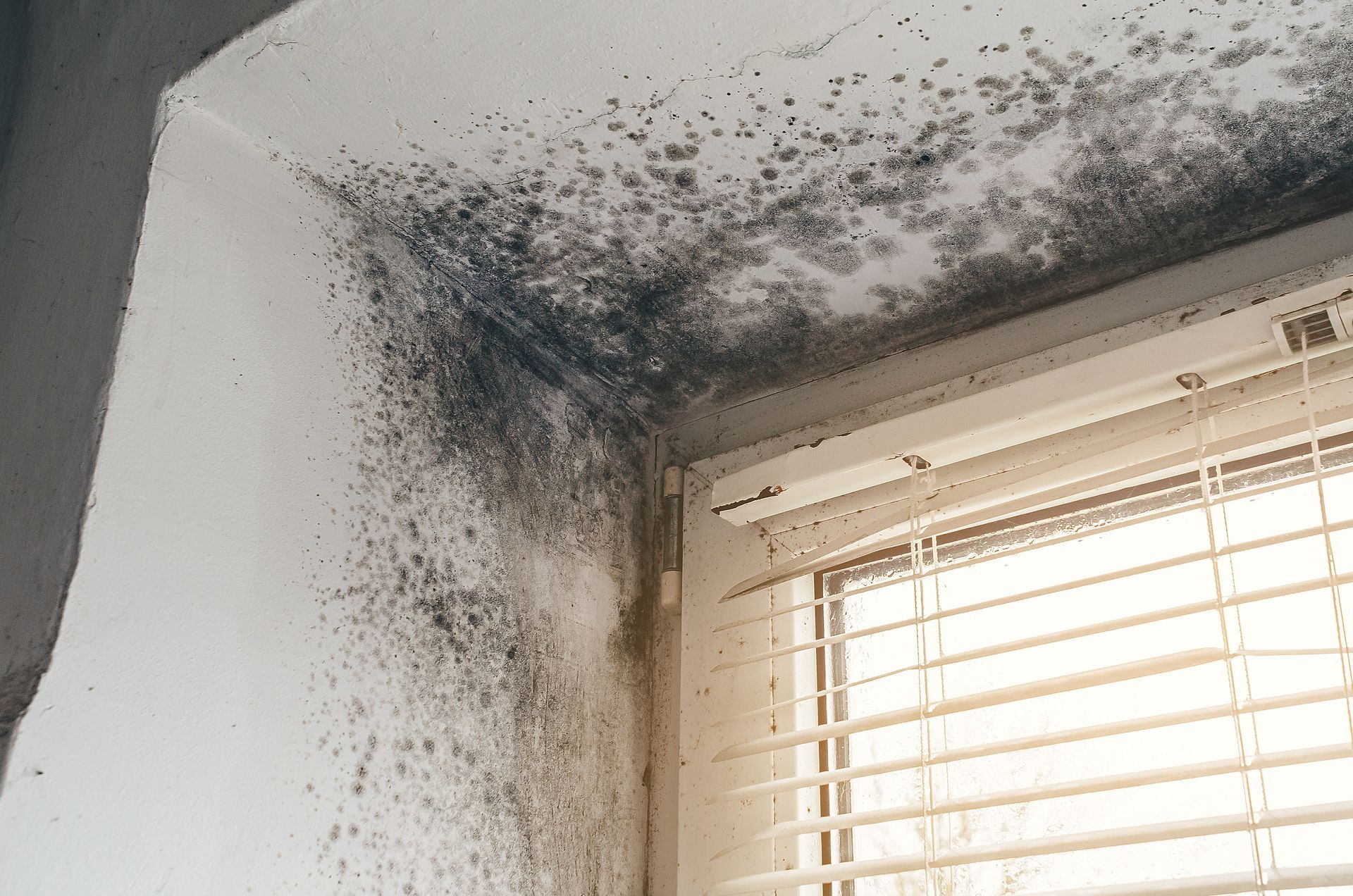
Questions Homeowners Ask About Mold
Homeowners often ask what causes mold to grow, how it spreads, and whether it can return after removal if moisture problems are not fixed.
- What causes mold to grow in homes? Mold grows when moisture is present for more than twenty-four hours on porous materials such as drywall, wood, or insulation, combined with temperatures between sixty and eighty degrees and limited airflow.
- How is mold removed from inside walls? Technicians cut out and remove affected drywall and insulation, treat the framing with antifungal solutions, and dry the cavity thoroughly before replacing materials once moisture is confirmed gone.
- When should I call for mold remediation? You should call as soon as you see visible mold, smell persistent mustiness, or discover water damage that was not dried completely, because mold spreads quickly once spores are airborne.
- Why does mold smell musty even after cleaning? The musty odor comes from microbial volatile organic compounds released by mold as it digests materials, and the smell persists if mold remains hidden inside walls or under flooring.
- What happens if mold is found in the crawl space? Crawl space mold requires removal of contaminated insulation, treatment of floor joists and beams, installation of vapor barriers, and often adding ventilation or dehumidifiers to control humidity levels year-round.
If you are dealing with mold growth or persistent odors in your home in greater Grand Rapids and surrounding communities, reach out to Bergsma Water Restoration, LLC to schedule an inspection and begin remediation before air quality worsens.