Clear the Air and Walls Before Mold Becomes a Liability
Mold Removal and Remediation in West Michigan for commercial buildings with visible growth, water history, or indoor air quality concerns
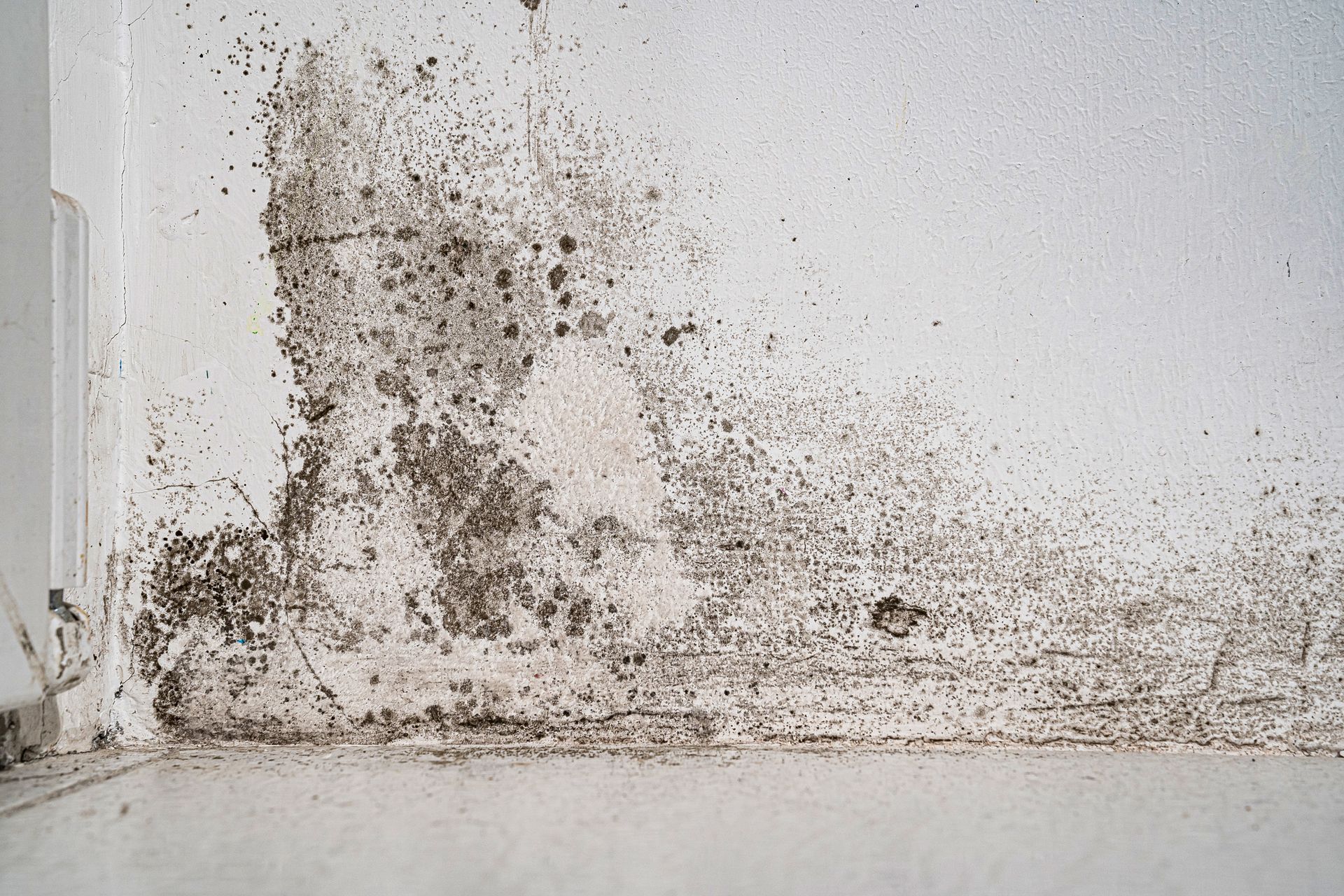
Bergsma Water Restoration, LLC performs mold removal and remediation for commercial properties in greater Grand Rapids and surrounding communities where visible growth has appeared on walls, ceilings, or within HVAC systems, or where persistent moisture has created conditions for hidden colonization. Mold in a commercial building is not only a health risk to employees and customers—it also signals an underlying moisture problem that will continue to spread if not addressed at the source. We conduct containment, remove affected materials, treat surfaces with antimicrobial agents, and work with you to identify and correct the moisture source so the issue does not return.
This service includes inspection of hidden moisture areas such as above drop ceilings, behind wall-mounted fixtures, and inside HVAC plenums where mold often grows unnoticed. We establish physical containment barriers and negative air pressure to prevent spore dispersal during removal, then HEPA-vacuum and wipe down all surfaces within the work zone. Porous materials that are heavily colonized are removed and discarded, while hard surfaces are cleaned and treated to eliminate residual spores.
If you are seeing discoloration on walls or noticing musty odors in occupied areas, contact us to schedule a commercial mold inspection and remediation plan.
Containment, Removal, and Prevention for Safe Indoor Environments
You need a process that removes active mold without distributing spores into clean areas and meets workplace health standards. We seal the affected zone using polyethylene sheeting and tape, then use HEPA-filtered negative air machines to maintain controlled airflow. All moldy materials are misted lightly to reduce airborne spores before removal, then bagged and removed through a designated exit to avoid contact with building occupants.
After remediation is complete, you will see walls and ceilings free of visible growth, air that no longer smells musty or stale, and HVAC registers that are clean and dry. Bergsma Water Restoration, LLC uses moisture meters and thermal imaging to confirm that hidden moisture sources have been addressed, and we provide documentation of the work performed for your facility management records and compliance audits. You will also notice improved indoor air quality as spore counts drop and ventilation returns to normal.
We do not perform reconstruction or repaint surfaces—our role ends when mold is removed, affected materials are disposed of, and the space is dry and treated. If mold has entered ductwork or HVAC systems, we coordinate with your mechanical contractor to determine whether internal cleaning or component replacement is needed, but we do not service HVAC equipment ourselves.
Common Questions About Commercial Mold Remediation
Mold in a commercial building raises concerns about health risks, liability, and the scope of work required. These answers help clarify what remediation involves and what you can expect.
- What causes mold to grow in commercial buildings? Mold colonizes when moisture is present for 48 hours or longer, often from roof leaks, plumbing failures, condensation on HVAC components, or unresolved water intrusion events that were not fully dried.
- How do you prevent mold from spreading during removal? We create sealed containment zones with negative air pressure, mist materials lightly before handling to suppress spore release, and use HEPA filtration on all exhaust air leaving the work area.
- What materials will need to be removed? Porous materials with heavy mold colonization—drywall, ceiling tiles, insulation, fabric-covered panels—are typically removed, while non-porous surfaces like metal studs and concrete are cleaned and treated in place.
- How long does commercial mold remediation take? Timelines range from two to five days depending on the size of the affected area, the extent of hidden growth, and drying requirements after moisture correction in West Michigan properties.
- Will you identify the moisture source that caused the mold? Yes, we use thermal imaging and moisture meters to locate active leaks or condensation areas, and we document findings so you can coordinate permanent repairs with your building maintenance team or contractor.
If mold is visible in your facility or air quality concerns have been raised, reach out to Bergsma Water Restoration, LLC to begin an inspection and develop a remediation plan that protects your occupants and meets regulatory expectations.